
The Most Damaged Car Body Panels in Pakistan — And How to Protect Yours
Every car our teams inspect gets a full panel-by-panel exterior check — every scratch, dent, paint problem and repair mapped onto a body diagram with a paint-thickness meter reading. Log enough of those diagrams and a very clear picture emerges: damage on Pakistani cars is not random. The same panels get hit, in the same ways, for the same reasons. Here's what our field data shows — and what you can do about it, whether you own the car or you're about to buy it.
The damage league table
Ranked by share of all exterior findings we log during doorstep inspections:
| Rank | Body area | Share of findings | Typical damage |
|---|---|---|---|
| 1 | Doors (all four) | ~38% | Dings, parking dents, scratches, fade |
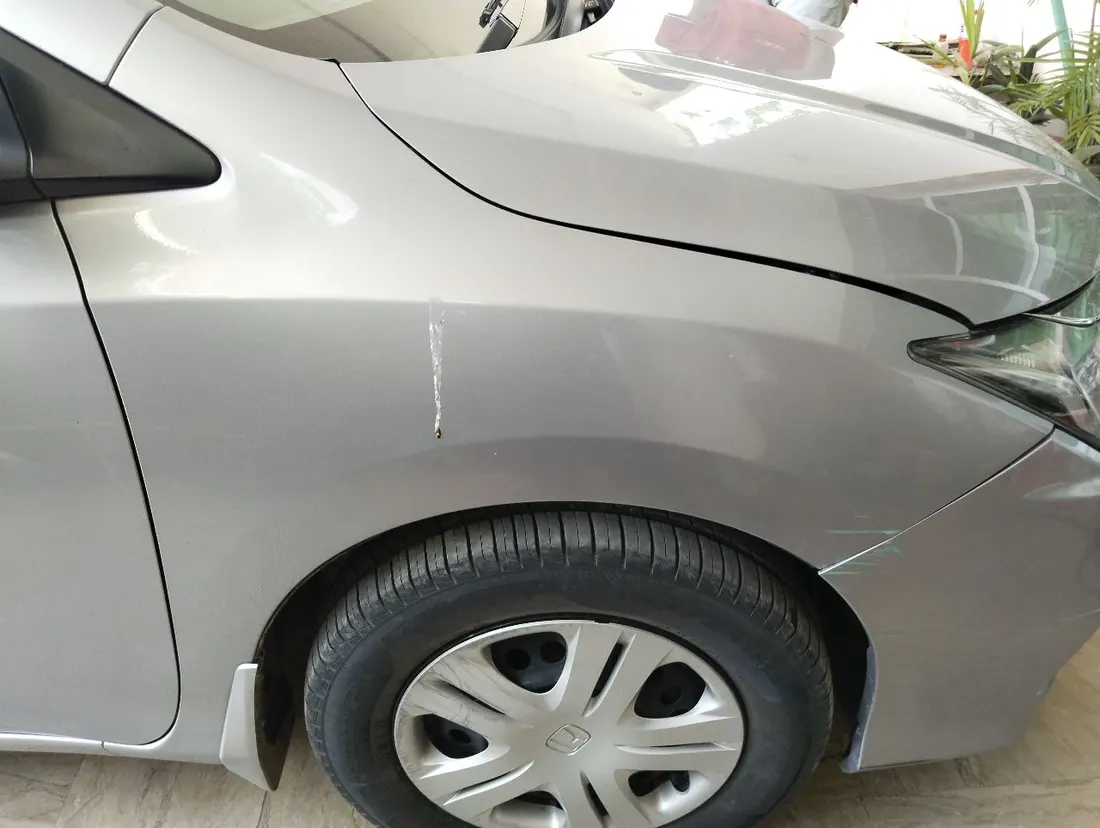
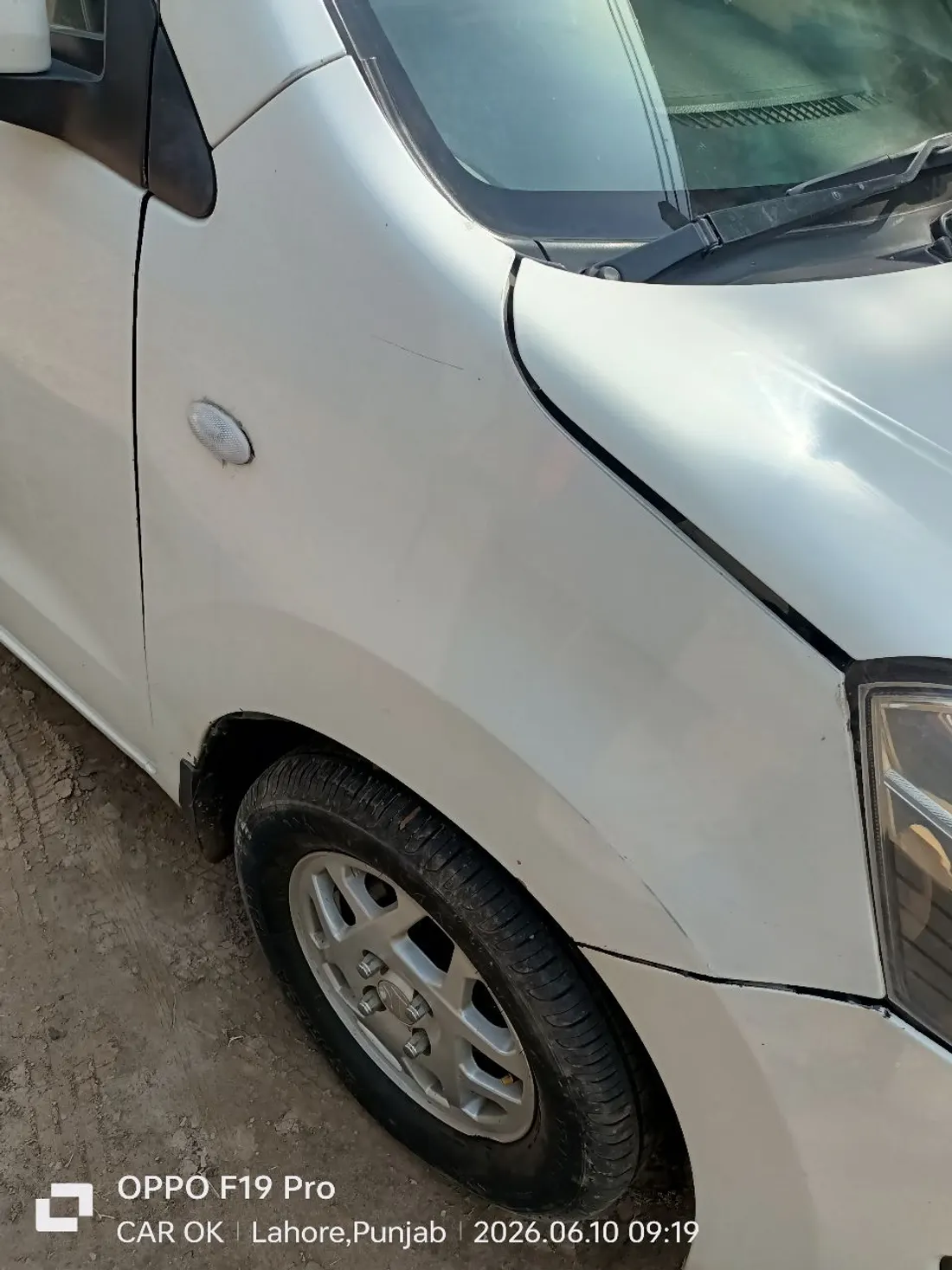
| 2 | Fenders | ~30% | Scratches, kerb-side scrapes, repaints |
| 3 | Hood | ~8% | Paint fade, stone chips, dents |
| 4 | Boot lid | ~8% | Fade, dents from rear-end taps |
| 5 | Front bumper | ~7% | Scrapes, cracks, respray |
| — | Roof | rare but serious | Fade, and the occasional hidden repair |
And by damage type, the single most common finding — by a huge margin — is paint fade, followed by minor scratches, then small dents. Rust, interestingly, is rare on the cars we see: Punjab's dry climate is kind to metal, brutal to paint.
Why doors and fenders suffer most
- Tight parking. Bazaar parking, plot-side parking and narrow ramps mean door edges meet walls, pillars and other doors constantly. Four door panels, all at swing height — they collect the whole neighbourhood's mistakes.
- Motorcycle traffic. Handlebars and footpegs sit exactly at door and fender height. Most of the long horizontal scratches we log are bike brush-pasts in slow traffic.
- Kerbs and gates. Fender corners clip gate pillars and kerbs during tight turns — which is why front fenders out-scratch nearly everything else.
- Sun. Paint fade dominates because cars sit outside all day. South-facing panels — hood, roof, boot — cook, and cheap resprays fade fastest and unevenly.
How to protect your own car's exterior
- Park in shade — or use a cover. UV is the #1 paint killer in Pakistan. A shaded spot or a decent car cover does more for resale value than any polish.
- Wax or seal twice a year. A PKR-few-hundred wax layer slows fade dramatically. Ceramic coating or PPF on the hood/fenders is worth it on newer cars.
- Door-edge guards and side mouldings. Cheap, ugly-ish, and they absorb exactly the parking dings that dominate our findings.
- Mind the swing. Teach everyone who rides in the car the two-finger door rule in tight parking. Most door damage is self-inflicted.
- Fix chips early. A PKR-200 touch-up pen on a stone chip today prevents the rust spot and panel respray next year.
- If you must respray, do it properly. Cheap resprays fade unevenly within a year and destroy resale value — every inspector's paint meter will find them anyway.
Buying a used car? The exterior is where sellers hide the story
Here's the uncomfortable part: everything above also explains what sellers cover up. A quick respray and polish before listing makes a beaten car look "totally genuine" — under showroom lights, fresh paint looks better than original. You cannot tell the difference by eye. We can, in two ways:
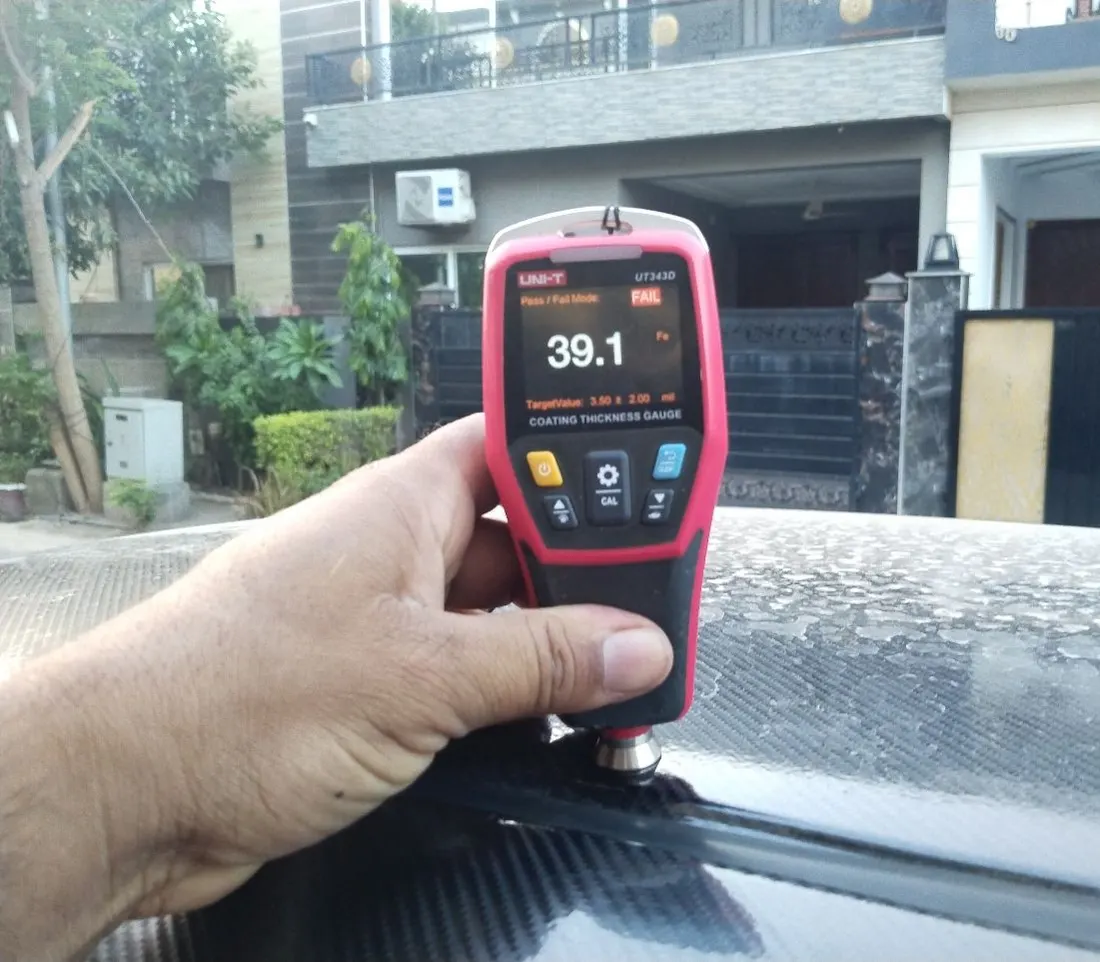
- The paint-thickness meter. During a CarOK doorstep inspection, every panel gets a meter reading. Original factory paint reads thin and even; filler and respray read thick. It's the single most reliable way to catch hidden panel repairs — see our full used-car inspection checklist for what else we check.
- The car's paper trail. For imported cars, the original Japanese auction sheet records every panel's condition before it left Japan — the damage map codes show exactly which panels were scratched, dented or replaced. A free auction sheet verification tells you what the car looked like then; if today's panels claim to be perfect but the sheet says otherwise (or the seller "can't find" the sheet — a classic warning sign), you know the exterior has been dressed up.
The two together answer both questions that matter: what happened to this car before import, and what's been done to it since. The sheet verifies the past; the inspection verifies the present.
The takeaway
Doors and fenders take the beating in Pakistan; sun takes the paint. For your own car, shade, wax and door guards prevent most of it. For a car you're buying, assume the prettiest panels are the ones to be most suspicious of — and put a meter and the original auction record on them before you pay.
Book a doorstep inspection on WhatsApp, or start with a free auction sheet check — upload the sheet you already have, no cost, no account.
Ready to inspect before you invest?
Book a CarOK inspection in Lahore — we’ll call you to confirm.